








People don’t like to admit their mistakes and professors are no different. Indeed, we like to believe that we give more attention to the science and facts than others may do. But I was wrong. Late last year, I wrote a piece that predicted that the three priorities for manufacturing business in the 2020s would be about responding to the challenges of poor productivity and climate change, and grasping the opportunities of digital.
I think it’s now quite safe to say that although these will remain important, priorities will shift towards the recovery of the economy – in particular the recovery and rebuilding of industry large and small. I also think that we will start to pay more attention to embedding greater industrial resilience, in an attempt to insure against similar disruptions in the future. It’s early days, but how might we do this?
My earlier judgment seemed sound at the time. I based my prediction on what I saw, was told and read about. I rationalised that there were three principal forces driving change, and my logic went something like this:
The UK, among other western economies, has an historical problem with productivity, we work too many hours to generate the level of wealth we create and this adversely affects growth something that everybody is keen to address. The evidence of climate change is becoming more acute; it can be seen in the melting ice sheets in Greenland and raging bushfires of Australia. Customers and consumers are becoming more sensitive to the environmental impact of consumption, and supply chains are being restructured. Meanwhile, digital innovation is all around – whether you see it as IOT, Industry 4.0 or simply a new App – and its adoption within industry is being widely advocated.
What my logic did not account for was the seismic shock of a pandemic. Business has changed in a way none of us could have foreseen; borders have closed, travel is banned, staff are in isolation, society is in lock-down, working from home is the new norm and the kids are off school! Business activity is polarising; some factories are being mothballed, while those that service the food and healthcare sectors, for example, are exceptionally busy. Indeed, governments are intervening in ways unimaginable since, in many countries, the Second World War. At this time, I know it’s difficult to look beyond the next few weeks, but it is important to look forwards, albeit with a little care and sensitivity.
Economic activity is essential and it must recover. Undoubtedly, there will be many
government initiatives to kick-start the economy, but how do we rebuild the manufacturing industry to be more resilient to future shocks, whether these shocks are health-related, trade-related, or indeed from the adverse effects of climate change. Quite clearly, the same as before is not sufficient. We have a unique opportunity to move industry forward and adopt business models that are better-aligned with the new world we will enter.
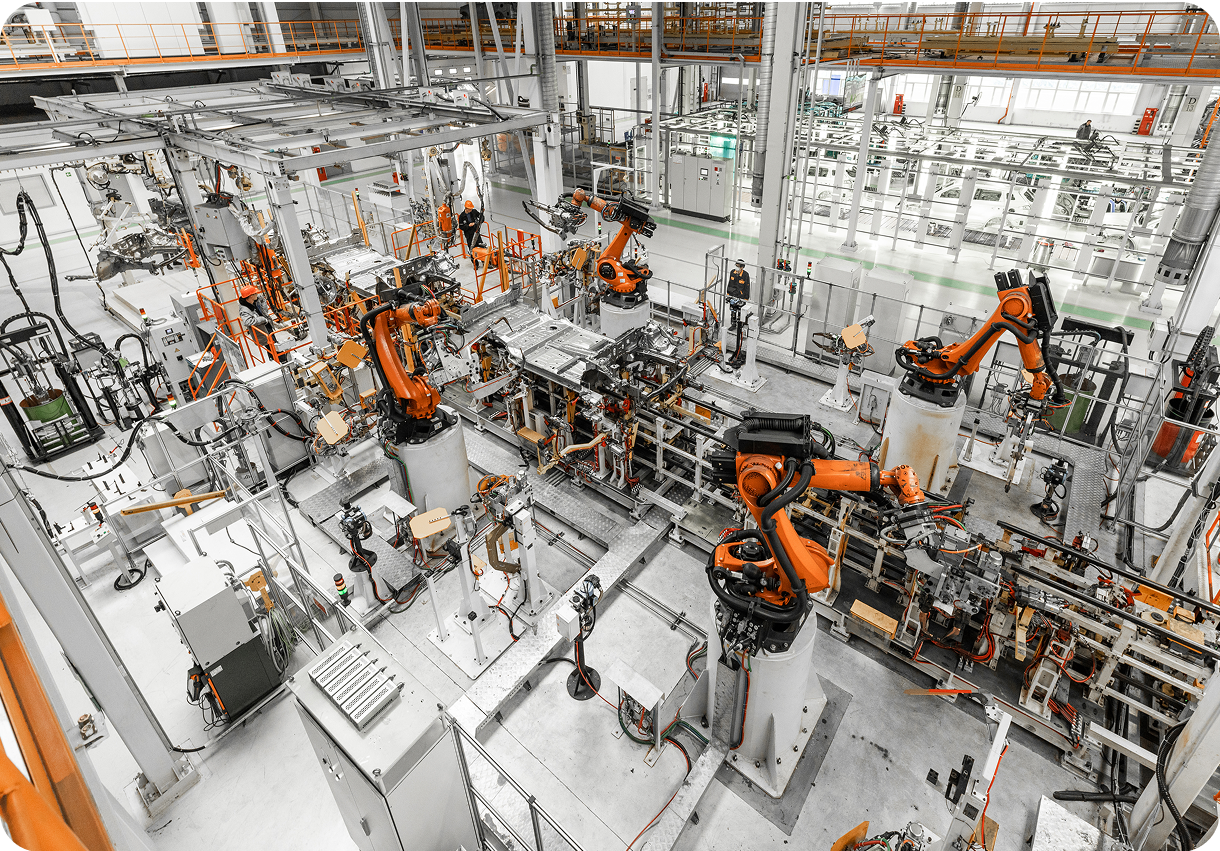
The 1900s and early 2000s were dominated by production-consumption business models, exemplified by mass production, Henry Ford and the consumer society – make, sell, dump. Feeding a growing world population, ruthless in its consumption of resources, servicing hungry global markets and all too often insensitive to the impact on the environment. This was not sustainable, and now many sectors have ground to a halt.
While mass production of course is still alive across some sectors – food and medicine to name a few – in other sectors this lockdown has shown that we do not need cars, airports and shopping centres to the extent we used them. As such, there is a great opportunity for services, delivered remotely and consumed locally, which help to build the quality of our lives without the need for consumption. If industry can build new business models on this basis, we will also create a truly resilient economy.
So, I believe that resilience is key and business models based around services are more conducive to achieving this. But what could such services look like in practice? In my next blog, I will reflect on some of the businesses that are making great progress in this space.